light bulb color temperature guide
Understanding Light Bulb Color Temperature
Color temperature defines a bulb’s hue‚ measured in Kelvin․ LEDs now span a wide palette‚ from warm 2700 K soft‑white to crisp 5000 K daylight․ Choosing the right range shapes ambience—soft white feels cozy‚ daylight brightens workspaces‚ and extremes set mood․ Ideal for all!!
What is Color Temperature?
Color temperature is a way to describe the hue emitted by a light source‚ expressed in Kelvin (K)․ It originates from black‑body radiation theory: as an object is heated‚ it glows warmer colors‚ moving from red to blue as temperature rises․ In lighting‚ the scale is inverted; lower Kelvin values (around 2700 K) produce a warm‚ yellowish glow reminiscent of incandescent bulbs‚ while higher values (above 4000 K) yield a cooler‚ bluish‑white light similar to daylight․ This metric helps designers match lighting to the intended mood and function of a space․ The human eye perceives temperature differences subtly; a 100‑K shift can noticeably alter the ambience‚ making rooms feel more relaxed or more energetic․ Color temperature is measured by comparing the light source to a theoretical black‑body radiator at a given temperature․ The scale is logarithmic‚ so each increment represents a noticeable shift in spectral composition․ While the term “warm” and “cool” are colloquial‚ they refer to the relative dominance of longer or shorter wavelengths․ Designers often use color temperature as a shorthand to convey the desired lighting atmosphere without delving into complex spectral data․ In practice‚ a 2000‑K bulb will feel like a candle‚ whereas a 6500‑K bulb will feel like a bright summer sky․ The choice of temperature can also affect the perceived size of objects and the overall brightness of a room‚ making it a critical parameter in both residential and commercial lighting design․ Choosing the right temperature helps maintain eye health by reducing glare and ensuring consistent illumination across the day for eye comfort․
Kelvin Scale Explained
Kelvin scale is the standard metric for measuring light color temperature․ It originates from the physics of black‑body radiation‚ where a perfect emitter’s color changes predictably as temperature rises․ In lighting‚ the scale is inverted: lower Kelvin values produce warm‚ yellow‑tinted light‚ while higher values yield cool‚ bluish‑white illumination․ A 2700 K bulb resembles a soft incandescent glow‚ ideal for living rooms and bedrooms․ A 3500 K source offers a neutral balance‚ suitable for kitchens․ When you reach 5000 K‚ the light mimics daylight‚ brightening workspaces․ The scale is logarithmic‚ meaning each step represents a perceptible shift in spectral distribution․ Designers use it to set mood‚ influence visual comfort‚ and ensure color accuracy in displays and photography․ Understanding the Kelvin scale allows homeowners to choose bulbs that match their décor and functional needs‚ while architects can specify lighting that enhances spatial perception and productivity․ By mastering Kelvin values‚ consumers can tailor lighting to enhance color fidelity‚ reduce eye strain‚ and create desired atmospheres—from inviting evenings to sharp work environments—ensuring every space feels just right․ In practice‚ selecting the correct Kelvin rating involves considering ambient temperature‚ natural light sources‚ and the psychological impact of hue on occupants’ mood and productivity․!

Common Color Temperature Ranges

From cozy 2700‑3000 K warm white to crisp 5000‑6500 K daylight blue‚ each range shapes mood․ Warm tones invite relaxation; cool tones boost focus․ Match your space’s purpose to the right Kelvin band for optimal ambiance․ Ideal use․ now․
Warm White (2700K-3000K)
Warm white lighting‚ typically ranging from 2700 K to 3000 K‚ emulates the gentle glow of incandescent bulbs․ Its soft‚ amber‑tinted hue creates a relaxed atmosphere‚ making it ideal for living rooms‚ bedrooms‚ and dining areas where comfort and intimacy are desired․ Because warm white emits less blue light‚ it reduces eye strain during evening hours and supports natural circadian rhythms‚ helping to signal the body that it’s time to wind down․ In addition‚ warm white enhances the appearance of warm furnishings and décor‚ accentuating wood tones and rich fabrics․ Many LED manufacturers now offer warm‑white options that match the color rendering index (CRI) of traditional incandescent bulbs‚ ensuring that colors appear natural and vivid․ For those who prefer a subtle‚ cozy ambience without the harshness of cooler light‚ warm white is the go‑to choice for creating a welcoming‚ soothing environment․ Its versatility and psychological benefits make it a staple in residential lighting design․ When selecting fixtures‚ consider the lumens output to match the desired brightness level․ Warm white LEDs can provide 800 to 1600 lumens‚ sufficient for most living spaces․ Additionally‚ many smart bulbs allow you to adjust the Kelvin value within the warm range‚ offering flexibility to shift from a mellow 2700 K for a movie night to a slightly brighter 3000 K for reading․ This adaptability makes warm white a versatile choice for dynamic lighting needs․ In commercial settings‚ warm white is often used in hospitality venues to create a comfortable‚ inviting atmosphere that encourages guests to linger․ The subtle warmth can also reduce glare on screens‚ improving visual comfort in work environments․ Because warm white closely resembles the color temperature of traditional incandescent bulbs‚ it is often preferred by designers seeking a familiar aesthetic without the higher energy consumption․ When pairing warm white bulbs with other lighting types‚ such as task lighting or accent fixtures‚ maintain color temperature consistency to avoid visual dissonance․ Mixing warm white with cooler tones can create an unbalanced look unless intentional contrast is desired․ Moreover‚ warm white lighting is energy efficient‚ often consuming 15–20% less power than incandescent equivalents while delivering comparable brightness‚ which translates to lower utility bills and a smaller carbon footprint; Finally‚ the warm spectrum is universally flattering‚ enhancing skin tones and creating a sense of warmth that can elevate mood and promote relaxation․ Because of its low color temperature‚ warm white is also ideal for night‑time lighting‚ providing sufficient illumination without disrupting sleep patterns․ When integrating warm white LEDs into a layered lighting scheme‚ use dimmable fixtures to adjust intensity and create mood variations throughout the day․ Additionally‚ many manufacturers provide color‑matching guides to help homeowners choose the exact shade within the warm range that best complements their décor․ By selecting the appropriate warm‑white bulb‚ you can achieve a harmonious balance between comfort‚ functionality‚ and sustainability in any living space․ The subtle warmth of these bulbs also reduces eye fatigue during prolonged screen use‚ making them suitable for home offices and study areas․ Finally‚ the aesthetic appeal of warm white lighting continues to influence interior design trends‚ reinforcing its status as a timeless choice․ Its versatility is unmatched! Enjoy! 🙂
Soft White (3000K-3500K)
Soft white lighting‚ spanning 3000 K to 3500 K‚ offers a balanced blend between warm amber and cool daylight․ It delivers a neutral‚ inviting glow that works well in kitchens‚ bathrooms‚ and entryways․ This spectrum reduces the harshness of cooler LEDs while maintaining sufficient brightness for task lighting․ Soft white LEDs often achieve CRI values above 90‚ ensuring colors appear natural and vivid․ Because the light is neither too warm nor too cool‚ it supports both relaxation and productivity‚ making it a versatile choice for multi‑use spaces․ Many manufacturers provide dimmable options‚ allowing users to adjust intensity for cooking‚ cleaning‚ or evening ambience․ The 3000‑3500 K range also aligns with human circadian rhythms‚ promoting alertness during the day and calmness at night․ In commercial settings‚ soft white is favored for retail displays and hospitality areas due to its neutral tone that highlights products without distortion․ It is energy efficient‚ consuming less power than incandescent bulbs while offering comparable lumens․ When pairing with other fixtures‚ maintain a consistent color temperature to avoid visual contrast․ Soft white can be combined with accent lighting to create layered‚ dynamic environments․ Its adaptability makes it a staple in modern interior design‚ bridging traditional warmth and contemporary clarity․ Choose the right lumen output to match room size and desired brightness․ With smart lighting systems‚ users can fine‑tune the Kelvin value within the soft‑white band for personalized mood settings․ Overall‚ soft white provides a harmonious‚ functional‚ and aesthetically pleasing lighting solution for everyday living and work environments․ Moreover‚ soft white LEDs are compatible with a wide range of fixture types‚ from recessed downlights to pendant lamps‚ offering designers flexibility in installation․ The color temperature remains stable over the bulb’s lifespan‚ ensuring consistent lighting quality without the need for frequent replacements․ Many soft‑white LEDs come with built‑in color‑matching features that allow seamless integration with existing décor․ The subtle warmth enhances the perception of space‚ making rooms feel larger and more inviting․ In eco‑friendly building projects‚ soft white lighting is often chosen for its low heat output and minimal environmental impact․ When combined with motion sensors‚ soft white can provide efficient‚ automated illumination that conserves energy while maintaining a pleasant ambiance․ Finally‚ the psychological benefits of soft white light include reduced eye strain and improved mood‚ making it an excellent choice for both residential and commercial settings․ Perfect!

Cool White (3500K-4100K)
Cool white lighting‚ ranging from 3500 K to 4100 K‚ delivers a crisp‚ neutral glow that sits between warm amber and bright daylight․ This spectrum is ideal for kitchens‚ bathrooms‚ and workspaces where clarity and visibility are paramount․ Cool white LEDs typically achieve CRI values above 90‚ ensuring accurate color rendering for food‚ fabrics‚ and tools․ The light’s subtle bluish tint reduces eye strain during extended tasks․ Many manufacturers offer dimmable cool‑white options‚ allowing users to adjust brightness for cooking‚ cleaning‚ or evening relaxation․ In commercial settings‚ cool white is favored for retail displays‚ office lighting‚ and hospitality areas because it highlights products without distortion․ Energy efficiency remains high‚ with lower power consumption than incandescent bulbs and comparable lumen output․ When paired with task lighting‚ cool white provides focused illumination that enhances productivity․ Its neutral tone supports modern interior design‚ complementing sleek fixtures‚ glass surfaces‚ and minimalist décor․ Cool white LEDs maintain stable color temperature over their lifespan‚ ensuring consistent lighting quality without frequent replacements․ Integration with smart lighting systems enables precise Kelvin adjustments within the cool‑white band‚ allowing personalized mood settings․ The subtle blue hue can be combined with warm accent lighting to create layered‚ dynamic environments․ Additionally‚ cool white lighting is compatible with motion sensors and occupancy controls‚ providing automated illumination that conserves energy․ Overall‚ cool white offers a balanced‚ functional‚ and aesthetically pleasing lighting solution for everyday living and work environments for evenings with calm and․
Daylight (4100K-5000K)
Daylight bulbs emulate the noon sun‚ providing a balanced white that falls between cool white and daylight blue․ The 4100 K–5000 K range delivers a crisp‚ slightly bluish tone that enhances visibility and color accuracy‚ ideal for kitchens‚ bathrooms‚ and work areas where tasks require precise lighting․ LEDs in this band typically boast CRI values above 90‚ ensuring colors appear true to life․ The light’s neutral hue reduces eye fatigue during prolonged activities‚ while its brightness supports detailed tasks such as cooking‚ reading‚ or applying makeup for daily use in kitchens! The stable color temperature over the bulb’s lifespan guarantees consistent illumination‚ eliminating the need for frequent replacements․ Daylight LEDs pair well with smart lighting controls‚ enabling precise Kelvin adjustments within the 4100 K–5000 K range for customized mood settings․ Their energy efficiency remains high‚ with low power consumption and long life expectancy․ The subtle blue tint can be blended with warm accent lighting to create layered‚ dynamic spaces that shift from bright‚ energetic mornings to calm‚ muted evenings․ Additionally‚ daylight bulbs work seamlessly with motion sensors and occupancy controls‚ providing automated illumination that conserves energy while maintaining optimal lighting conditions for daily tasks․ Overall‚ daylight lighting offers a versatile‚ natural‑looking solution that balances brightness‚ color accuracy‚ and energy efficiency for both residential and commercial applications․
Daylight Blue (5000K-6500K)
Daylight blue bulbs sit at the upper end of the spectrum‚ delivering a cool‚ crisp white with a subtle blue tint that mimics the sky on a clear day․ This temperature range is ideal for environments where sharp visibility and color fidelity are paramount․ It also enhances focus during long tasks․ LEDs in the 5000 K–6500 K band typically achieve CRI values of 90 or higher‚ ensuring that colors—from fresh-cut fruit to detailed artwork—appear vivid and true to life․ The cool hue reduces eye strain during extended periods of reading‚ coding‚ or intricate handiwork‚ making it a popular choice for offices‚ laboratories‚ and creative studios․ Energy efficiency remains high‚ with many models offering 10‑15 % lower wattage than comparable incandescent fixtures while lasting up to 25‚000 hours․ Daylight blue lighting also pairs well with modern smart‑home ecosystems; dimming or color‑temperature adjustments can be scripted to simulate natural daylight cycles‚ enhancing circadian rhythm alignment․ For residential use‚ this range can invigorate living spaces‚ creating a bright‚ airy atmosphere that encourages activity and focus․ However‚ because of its cool tone‚ it may feel too stark in bedrooms or cozy living rooms unless balanced with warmer accent fixtures․ In commercial settings‚ the brightness and color accuracy of daylight blue bulbs improve product visibility in retail displays and support safety in high‑traffic areas․ Overall‚ daylight blue lighting offers a versatile‚ high‑performance solution for tasks demanding clarity and color precision across both professional and domestic contexts․
Choosing the Right Color Temperature for Your Space
Select a hue that matches the room’s purpose․ Warm 2700-3000 K for bedroomswhile 3500-4100 K balances light in kitchens․ Offices benefit from 4100-5000 K daylight for focus‚ and 5000-6500 K brings clarity to studios․
Living Rooms and Bedrooms
In living rooms and bedrooms‚ the goal is comfort and relaxation․ A warm white spectrum between 2700 K and 3000 K creates a soft‚ inviting glow that mimics natural sunset light‚ encouraging calmness and intimacy․ This range is ideal for reading corners‚ sofa areas‚ and night‑evening ambience․ The golden hue reduces eye strain‚ making it perfect for late‑evening activities․ If you prefer a slightly cooler feel‚ 3000 K to 3500 K offers a balanced‚ neutral tone that still feels cozy while providing a bit more brightness for tasks like makeup or small craft projects․ Avoid high‑temperature daylight bulbs (above 4000 K) in these spaces‚ as they can feel harsh and disrupt the soothing atmosphere․ Pairing warm bulbs with dimmable fixtures allows you to adjust intensity‚ enhancing mood transitions from lively gatherings to peaceful rest․ Remember to consider the color rendering index (CRI) of the LED; a CRI above 80 ensures accurate skin tones and fabric colors‚ preserving the natural feel of the room․ Finally‚ layering light sources—ambient‚ task‚ and accent—within the same temperature range creates depth without visual fatigue‚ making your living area both functional and welcoming․
When selecting bulbs‚ also consider the fixture type and dimming compatibility․ LED fixtures often require specific drivers‚ and not all dimmers handle high‑CRI LEDs well․ Test a small sample before committing‚ and remember that color temperature can shift slightly over time as LEDs age․ Consistent lighting enhances mood and productivity in any setting․ Enjoy a brighter‚ vibrant environment․!
Kitchens and Workspaces
In kitchens and workstations‚ illumination must be bright‚ accurate‚ and consistent․ A cool white range of 3500 K to 4100 K delivers a crisp‚ daylight‑like quality that enhances visibility for cooking‚ food preparation‚ and detailed tasks․ This spectrum reduces glare while providing a neutral backdrop that keeps colors true—essential for food photography‚ recipe accuracy‚ and safety․ Brightness is key; aim for 300–500 lux in work areas‚ achievable with LED fixtures rated at 3500 K or higher․ For areas that require color discrimination—such as cutting boards‚ paint mixing‚ or electronic assembly—choose bulbs with a high color rendering index (CRI) of 80 or above․ This ensures that reds‚ greens‚ and blues appear natural‚ preventing misinterpretation of hues that could lead to mistakes․ Dimmable options are useful for kitchens where mood shifts from bright cooking to relaxed dining; a dimmer set to 3500 K can soften the light without altering color perception․ In industrial or commercial workspaces‚ a slightly higher 4100 K to 5000 K daylight can boost alertness and reduce fatigue over long shifts․ Pairing these with task lighting—such as under‑cabinet LED strips—provides focused illumination exactly where needed․ Finally‚ consider energy efficiency: LED bulbs in the 3500 K–4100 K range typically consume 10–15 W for a 60 W equivalent‚ cutting costs while maintaining performance․ Properly chosen lighting not only improves productivity but also enhances safety‚ making every workspace safer and more effective․ Moreover‚ the use of LED fixtures with integrated motion sensors can further optimize energy usage by dimming or turning off lights when areas are unoccupied‚ contributing to sustainability goals․ Regular maintenance of LED fixtures ensures longevity; cleaning lenses and checking for color shift over time preserves the intended lighting quality․ By selecting the right color temperature and ensuring high CRI‚ kitchens and workspaces become environments where precision and comfort coexist‚ ultimately supporting better outcomes in both culinary and industrial settings․ Additionally‚ pairing LED strip lights with adjustable color temperature settings allows workers to tailor lighting to specific tasks‚ from bright white for soldering to warm amber for ergonomic comfort․
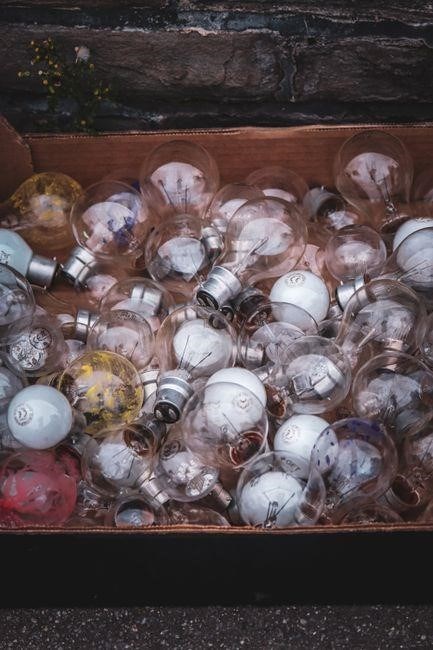
Offices and Retail Environments
In modern workplaces and storefronts‚ lighting shapes perception‚ productivity‚ and brand identity․ A neutral‑white spectrum of 3500 K to 4100 K offers a balanced‚ daylight‑like glow that reduces eye strain while maintaining color fidelity for documents‚ displays‚ and product photography․ Bright‚ consistent illumination encourages alertness and supports long‑term focus‚ especially in open‑plan offices where ambient light must be uniform across desks and meeting areas․ Retail spaces benefit from a slightly higher 4100 K to 5000 K daylight‚ which accentuates product colors‚ creates a lively atmosphere‚ and can subtly influence purchasing behavior․ High color rendering index (CRI) LEDs—rated 80 or above—ensure that fabrics‚ finishes‚ and signage appear true‚ fostering trust and encouraging repeat visits․ Dimmable fixtures allow managers to shift from bright‚ energizing light during peak hours to softer‚ welcoming tones during evenings or special events‚ enhancing customer experience․ Energy efficiency is paramount; LED bulbs in the 3500 K–5000 K range consume 10–15 W for a 60 W equivalent‚ cutting operational costs while meeting sustainability targets․ Integrating occupancy sensors and daylight harvesting systems further reduces waste‚ automatically dimming or turning off lights when spaces are unoccupied or when natural light is sufficient․ Regular maintenance—cleaning lenses‚ checking for color shift‚ and ensuring fixture alignment—preserves the intended lighting quality and extends bulb lifespan․ By selecting the appropriate color temperature‚ CRI‚ and control strategy‚ offices and retail environments can create inviting‚ productive‚ and cost‑effective spaces that reflect brand values and meet user expectations․ This lighting strategy supports energy schedules and boosts employee well‑being․
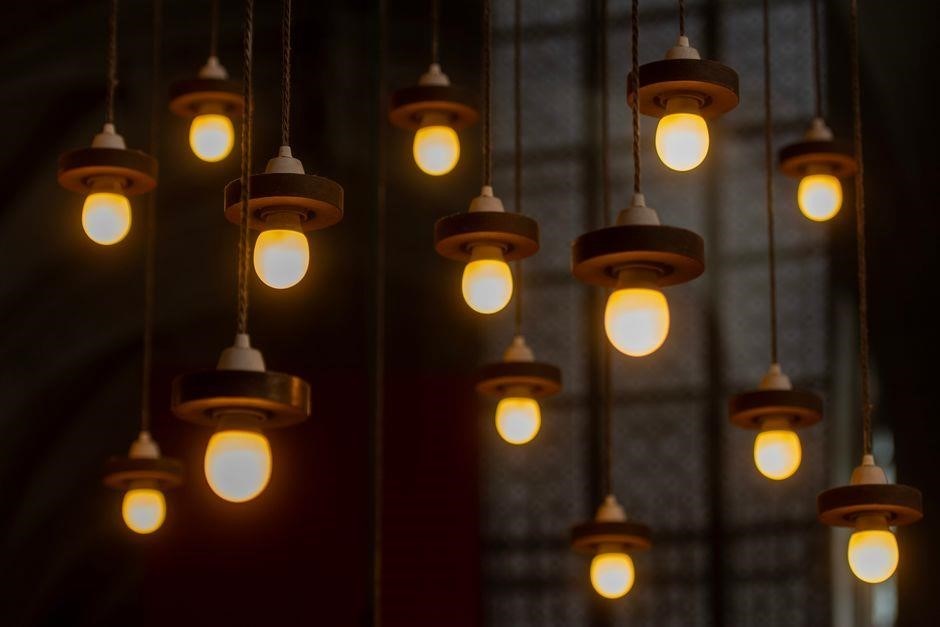
LED vs Incandescent Color Accuracy
LEDs deliver higher CRI and consistent color rendering across brands‚ while incandescent bulbs exhibit warm‚ less accurate hues that shift with temperature․ LEDs maintain true colors‚ reducing eye fatigue and improving visual tasks․ Energy savings and longer life make LEDs superior․
Color Rendering Index (CRI) Impact
Color Rendering Index (CRI) measures how accurately a light source displays colors compared to natural light․ A CRI of 80 or higher is generally considered good for most residential and commercial settings․ LEDs often achieve CRI values above 90‚ providing vivid‚ true-to-life hues that enhance visual clarity․ In contrast‚ many incandescent bulbs have a CRI around 60–70‚ which can cause colors to appear muted or slightly warm‚ especially in high‑contrast scenes․ For tasks requiring precise color discrimination—such as painting‚ photography‚ or quality control—high‑CRI LEDs reduce eye strain and improve accuracy․ Additionally‚ LED fixtures with adjustable CRI settings allow users to tailor light quality to specific needs‚ from warm‚ relaxing environments to bright‚ task‑oriented workspaces․ The consistent performance of LEDs across different brands further ensures that color fidelity remains stable over time‚ unlike some incandescent replacements that may drift as filaments age․ Overall‚ selecting a light source with a high CRI can transform both aesthetics and functionality in any space․
Consumers often overlook CRI‚ yet it shapes how colors appear․ Modern LEDs now offer adjustable CRI from 80 to 95+‚ giving designers flexibility to tailor lighting that supports tasks like reading or detailed work without color distortion․ This precision enhances comfort and productivity․!!!
Color Consistency Across Bulb Brands
When comparing LEDs from different manufacturers‚ color consistency is a key metric․ Brand‑to‑brand variations can arise from differences in phosphor blends‚ driver circuitry‚ and quality control․ High‑end LED makers typically use proprietary phosphor formulations that lock in a stable color point‚ ensuring that a 2700 K bulb from one line will look almost identical to a 2700 K bulb from another reputable brand․ Mid‑tier products may exhibit slight shifts‚ such as a warmer tint in the lower‑end of the spectrum or a subtle blue cast in the upper range․ These discrepancies become noticeable when multiple fixtures are used together in a single space; mismatched bulbs can create visual hotspots or uneven lighting․ To mitigate this‚ many designers recommend sourcing all fixtures from the same brand or at least the same product line‚ especially for large installations․ Additionally‚ some manufacturers provide color‑matching tools or sample swatches that allow installers to verify hue before full deployment․ In retail or hospitality settings‚ consistent color across bulbs enhances brand perception and customer comfort․ Even in residential applications‚ a uniform glow reduces eye strain and creates a cohesive atmosphere․ Finally‚ newer LED technologies such as quantum dot or tunable white systems promise near‑perfect color matching across batches‚ further narrowing the gap between brands․ By prioritizing consistency‚ users can avoid the pitfalls of mixed lighting and enjoy a harmonious‚ well‑rendered environment․ Uniformity also eases upkeep‚ ensuring replacements match the room’s tone just

Leave a Reply
You must be logged in to post a comment.