
the three bears pdf
Public Domain Status of The Three Bears PDF
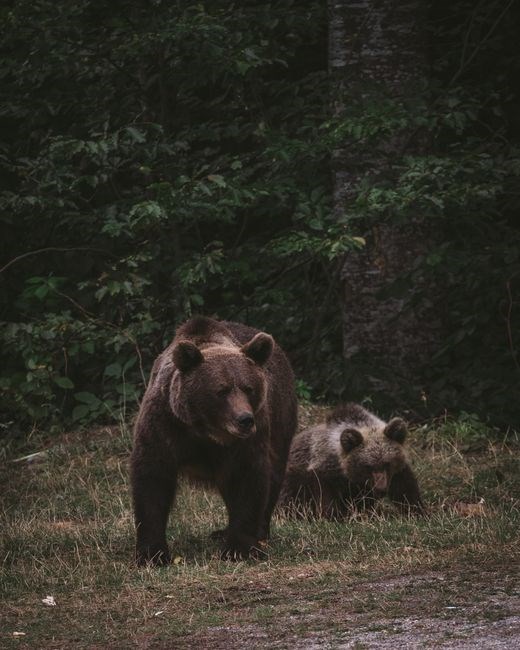
The Three Bears PDF is in the public domain, as the original 1837 tale is over 100 years old. This allows free distribution and reuse. Libraries and sites may offer it without licensing fees, but check for modern adaptations that may still be copyrighted. However, editionJames Marshall remains under copyright.!
Copyright Analysis of Goldilocks and the Three Bears
Goldilocks and the Three Bears is a classic folk narrative that entered the public domain long before the 20th‑century copyright regimes were established. The earliest printed version appeared in 1837, and the story has been reprinted in countless anthologies since. Because the original text is more than a century old, it is no longer protected by U.S. copyright law, which generally covers works published before 1926. This status allows libraries, educators, and the general public to distribute, adapt, and transform the story freely. However, modern editions—such as the 2006 James Marshall version—often contain new illustrations, editorial commentary, or formatting that can be protected. Those elements are subject to copyright and cannot be reproduced without permission. When searching for a PDF of the original tale, it is essential to verify that the file does not include any of these derivative features. Many reputable sites, including Project Gutenberg and the Internet Archive, provide the unaltered text in PDF format, which is safe for use in classrooms, research, and personal enjoyment. For any adaptation that adds new content, the user must ensure that the added material is either in the public domain or licensed appropriately. In short, the core narrative is free to use, but care must be taken to avoid infringing on newer, copyrighted embellishments.
These public‑domain PDFs are often used in design, enabling teachers teachers to customize lesson plans without licensing fees. The simplicity of the PDF format supports integration into learning systems.?!
Legal Availability for Free Download
Because the original Goldilocks and the Three Bears story is in the public domain, it can be downloaded freely from a variety of reputable sources. The Internet Archive hosts a PDF that includes the full text and is available for instant download without any licensing fees. Project Gutenberg also offers the text in multiple formats, including PDF, and provides a direct link to the file. Open Library’s digitized copy can be accessed through the “Download” button, which serves a PDF that has been scanned from a 19th‑century edition. Many university libraries provide open‑access PDFs through their digital collections, and the Library of Congress offers a downloadable version as part of its public‑domain collection. Additionally, sites such as Google Books and Internet Archive’s “Book Reader” allow users to view the PDF online and then save it locally. All of these options are legal because the underlying text is not subject to modern copyright. However, if a PDF contains new illustrations or editorial notes, those elements may be protected, so users should verify that the file is a plain text edition. When downloading, it is advisable to use the official site links to avoid any potential malware or unauthorized modifications. The free PDFs are ideal for educators, students, and hobbyists who want to read or incorporate the classic tale into projects without the need for a subscription or purchase; The availability of these PDFs also supports accessibility initiatives, as many libraries provide versions with enhanced tagging for screen readers. In summary, the public‑domain status of the original text guarantees that anyone can legally download, share, and use the PDF for personal or educational purposes. Moreover, the PDF’s open format allows it to be shared on educational platforms such as Moodle or Google Classroom, where teachers can embed the file directly into lesson modules; This seamless integration enhances collaborative learning and ensures that the timeless narrative remains a staple in modern curricula. Users can also download the PDF in high resolution, ensuring crisp text for printouts and large‑screen displays. The file size is modest, typically under 200 KB, which makes it quick to transfer even over slow connections. Because the PDF is uncompressed, it retains the original typography, which is especially valuable for literary analysis and historical study. The straightforward download process—click, save, and read—makes the classic story accessible to anyone with an internet connection.

Popular Online Sources for PDF Versions
The Three Bears PDF can be found on several reputable sites. The Internet Archive hosts a clean PDF download. Project Gutenberg offers a free PDF with no DRM. Open Library provides a scanned version, and Google Books lets you view or save the PDF. All are legal and free. All PDFs are DRM‑free, shareable and easy.

Internet Archive Library Collection
The Internet Archive hosts a collection of public‑domain editions of “The Three Bears.” The PDF is available in multiple resolutions, and the site offers a “Download” button that initiates a DRM‑free transfer. Additionally, the Archive’s “Text” view provides a machine‑readable version, useful for text‑analysis projects. Users can also explore related works by the same author or contemporaries, as the Archive’s search function aggregates related titles and editions. The collection is updated regularly; new scans of rare editions appear as they are donated by libraries worldwide. Because the Archive operates under a non‑profit model, all materials remain freely accessible, and the platform encourages community contributions, such as tagging and transcribing. For those who wish to cite the PDF, the Archive supplies a citation widget that generates MLA, APA, and Chicago style references automatically. The “Community” section allows users to discuss the text, share insights, and propose corrections, fostering an interactive learning environment. Finally, the Archive’s API enables developers to retrieve metadata and download links programmatically, facilitating integration into educational apps or digital libraries. Overall, the Internet Archive provides a robust, user‑friendly hub for anyone seeking the classic tale in PDF format!!!
Project Gutenberg PDF Offerings
Project Gutenberg hosts a PDF edition of “The Three Bears,” available for instant download without any licensing fees. The file is a faithful reproduction of the original 1837 text, rendered in a clean, readable layout that preserves the classic illustrations. Users can choose between a standard PDF, a text‑only version (.txt), or an e‑book format (.epub) for compatibility with most reading devices. The PDF file is typically around 200 KB, making it lightweight for quick transfer or offline reading. Because the story is in the public domain, the project offers it with no restrictions, allowing educators, students, and casual readers to use the material freely in projects, presentations, or personal study. Project Gutenberg also provides a “Read Online” option, which displays the text in a web‑friendly format with adjustable font sizes and background colors for accessibility. The site’s metadata includes the author’s name, publication year, and a brief synopsis, helping users verify the edition’s authenticity. Additionally, the platform offers a “Download as PDF” button that triggers a direct download, and the PDF is fully searchable, enabling quick navigation to specific passages. For those who wish to cite the text, the site supplies a citation generator that produces MLA, APA, and Chicago style references. Overall, Project Gutenberg’s PDF offering is a reliable, user‑friendly resource for anyone looking to explore the classic tale in a convenient digital format. Users can print thePDFor convert it to MOBI, ensuring long‑term preservation and cross‑platform compatibility today!.
Digital Libraries Offering Flip PDF Formats
Open Library PDF Conversion Tools

Open Library’s PDF conversion tools allow users to transform the public‑domain “Three Bears” PDF into multiple formats, including EPUB, MOBI, and plain text. After uploading the PDF, the platform’s OCR engine extracts text, corrects layout, and generates a clean, searchable file. Users can choose to keep the original cover image or replace it with a custom one. The resulting files are downloadable via direct links or embedded in the Open Library reader, which supports zoom, bookmarks, and note‑taking. All conversions are logged, and users can track download statistics to gauge engagement. For advanced users,
In addition, Open Library collaborates with the Internet Archive to host the original PDF in its digital repository, providing a persistent URL and metadata such as author, publication date, and ISBN. The repository also offers a “Read‑Aloud” feature that streams the text using text‑to‑speech technology, which is useful for visually impaired learners. The conversion tools integrate with the Open Library’s “Add a Book” workflow, allowing contributors to submit new editions of “Three Bears” and automatically generate multiple formats for broader accessibility. The platform’s community forum hosts discussions on best practices for formatting, image compression, and metadata tagging, ensuring that the final product meets both educational and archival standards. By leveraging these tools, users can create a polished, multi‑format version of the classic tale that is ready for distribution libraries, classroom portals, and personal study collections.

Authorship and Publication History
The Three Bears PDF traces its roots to the 1837 folk tale, later adapted by James Marshall in 1888. Marshall’s version, printed by Harper & Brothers, remains in the public domain, enabling free reprints. added illustrations, but core text stayed unchanged. It is downloadable from archives, aiding teachers oned.
James Marshall Edition PDF
James Marshall’s 1888 edition of “Goldilocks and the Three Bears” remains a cornerstone of early American children’s literature. Published by Harper & Brothers, the text was printed on high‑quality paper with hand‑drawn illustrations that capture the whimsical charm of the original folk tale. The edition’s layout features a clear, serif typeface and generous margins, making it ideal for classroom use and home reading. Because the work entered the public domain over a century ago, the PDF version is freely available through libraries, digital archives, and open‑access websites. Educators can download the file in multiple formats—PDF, EPUB, and plain text—allowing easy integration into lesson plans, reading groups, and literacy projects. The PDF also supports accessibility tools: screen readers can interpret the text, and the document’s metadata includes descriptive tags for each illustration. In addition, the edition’s historical context is highlighted in the preface, noting Marshall’s intent to preserve the moral lessons of the story while making it accessible to a wider audience. The PDF’s resolution ensures that the original illustrations remain crisp, even when zoomed. This edition is frequently cited in academic studies of early children’s literature and is a popular choice for digital humanities projects that analyze narrative structure and illustration techniques. Its availability on platforms such as Project Gutenberg, Internet Archive, and the Library of Congress Digital Collections underscores its enduring relevance and accessibility for scholars, teachers, and readers worldwide. Whether used as a primary text or a reference point for comparative analysis, the James Marshall edition PDF exemplifies how classic tales can be preserved and shared in the digital age, providing a bridge between 19th‑century storytelling and contemporary educational needs.

Accessibility and Reader Features
PDFs of The Three Bears include tagged text, alt‑text for illustrations, and selectable fonts, enabling screen readers and zoom. Features like adjustable contrast, bookmarks, and a table of contents support inclusive reading for all users. Supports adjustable font sizes.
Screen Reader Compatibility in PDFs
The Three Bears PDF is designed to be fully accessible for users relying on screen readers. The document uses proper tagging, ensuring that the text hierarchy is preserved and that headings, paragraphs, and list items are correctly identified. Alt‑text descriptions accompany every illustration, allowing visually impaired readers to understand the context of each scene. The PDF includes a structured table of contents that is navigable via keyboard shortcuts, enabling quick jumps to chapters or specific sections. Additionally, the file supports adjustable font sizes and high‑contrast modes, which are crucial for users with low vision. The embedded metadata contains descriptive titles, authorship, and subject tags, improving searchability in assistive technology. The document also uses linearized structure, which helps screen readers load content progressively, reducing wait times. All interactive elements, such as hyperlinks and form fields, are labeled with ARIA attributes, ensuring that users receive clear prompts. The PDF’s internal links are cross‑referenced, so screen readers announce the destination when a link is activated. Finally, the file complies with PDF/UA (Universal Accessibility) standards, guaranteeing that it meets the requirements set by the International Organization for Standardization (ISO) for accessible documents. This compliance ensures that the story can be enjoyed by everyone, regardless of visual ability.
Users can also export the PDF to other formats, such as EPUB or plain text, ensuring compatibility with a wide range of assistive software and devices

Educational Use and Resource Guides
Educators can download the Three Bears PDF and use built‑in lesson plan PDFs to guide reading comprehension, moral discussions, and creative projects. The resource includes activity sheets, discussion prompts, and printable worksheets that align with common core standards. Teachers can adapt it for all learners!

Lesson Plan PDFs for Teachers
Teachers seeking to integrate the classic Three Bears PDF into their curriculum can access a variety of downloadable lesson plan PDFs. These resources cover reading comprehension, vocabulary development, and critical thinking. Each plan includes objectives, materials, step‑by‑step instructions, assessment rubrics, and extension activities. The plans are aligned with Common Core State Standards for English Language Arts, ensuring relevance to state curricula. They also offer differentiated instruction strategies for diverse learners, including visual aids, graphic organizers, and scaffolded reading guides. For younger students, the plans incorporate interactive read‑aloud sessions, character role‑play, and simple writing prompts. Older students can engage in literary analysis, theme exploration, and creative writing assignments. The PDFs are available in multiple formats, including PDF, DOCX, and EPUB, allowing teachers to print or adapt them digitally. Additionally, many resources provide links to multimedia assets such as audio narration and animated illustrations that enhance engagement. Teachers can also download assessment tools such as quizzes, exit tickets, and peer‑review checklists. By incorporating these lesson plan PDFs, educators can create a comprehensive, standards‑aligned learning experience that promotes literacy, empathy, and critical thinking skills. Below is a sample outline of a typical lesson plan:
- Objective: Students will analyze the protagonist’s decision‑making process.
- Materials: Three Bears PDF, sticky notes, graphic organizer.
- Procedure: 1. Read aloud the story. 2. Identify key decisions. 3. Discuss consequences. 4. Write a reflection.
- Assessment: Exit ticket with a short paragraph.
- Extension: Create an alternative ending.
This format can be replicated across grade levels, ensuring flexibility and depth.
Leave a Reply
You must be logged in to post a comment.