
sears kenmore 158 sewing machine manual
Sears Kenmore 158 Sewing Machine Manual: A Comprehensive Guide
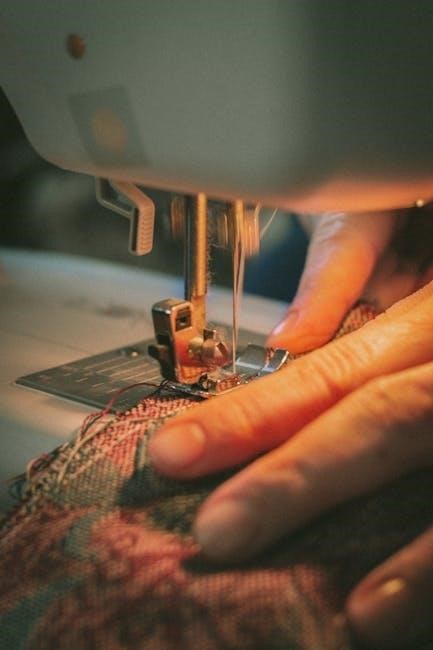
Navigating the world of vintage sewing requires reliable resources, and this guide focuses on the Kenmore 158 series․
Numerous online platforms, like Sears Parts Direct and Kenmoresewingmanuals․com,
offer downloadable manuals in PDF format, aiding users in machine operation and repair․
Community forums, such as Victorian Sweatshop and Reddit’s r/vintagesewing,
provide valuable support and manual sharing opportunities for Kenmore 158 owners․
The Kenmore 158 series represents a robust line of sewing machines, highly regarded for their durability and reliable performance․ Produced by Sears, these machines gained popularity across numerous households, becoming a staple for both novice and experienced sewers․ The series encompasses a variety of models – 158․19142, 158․1355080, 158․17851, and more – each with slight variations but sharing a core mechanical design․
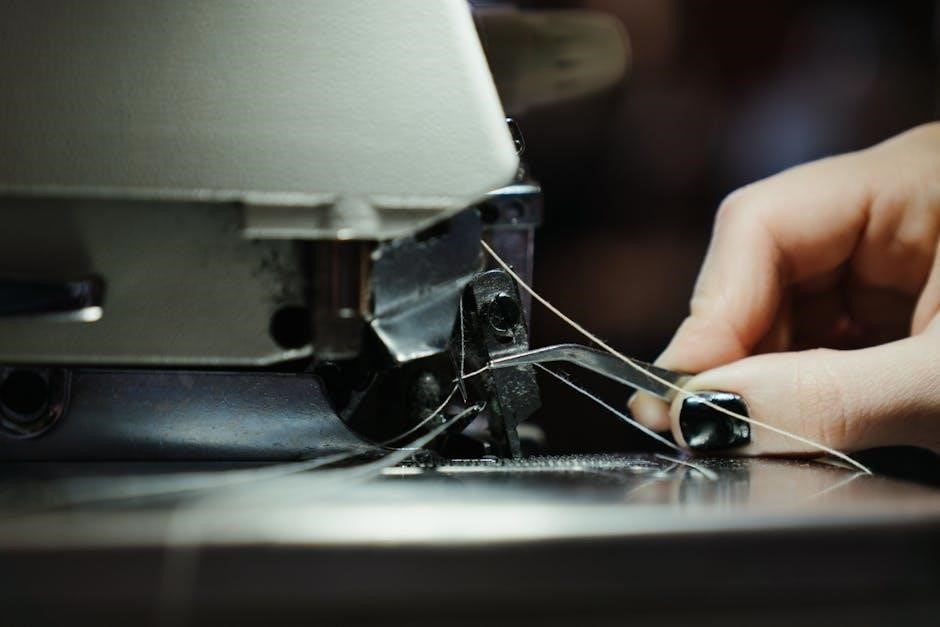
Understanding the Kenmore 158’s capabilities requires access to its corresponding manual․ These manuals detail everything from basic operation and threading to troubleshooting common issues and performing maintenance; Finding the correct manual is crucial, as differences between models, particularly in bobbin mechanisms (as noted on Reddit), can impact proper usage․ The availability of downloadable PDFs from sources like Sears Parts Direct and dedicated websites like Kenmoresewingmanuals․com makes accessing this vital information easier than ever․
Identifying Your Specific Kenmore 158 Model
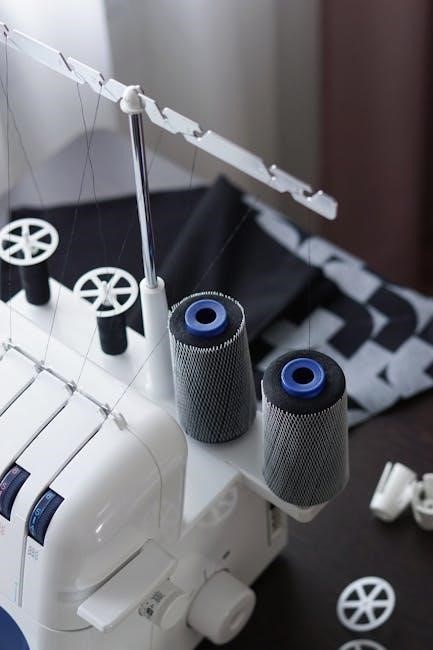
Accurately identifying your Kenmore 158 model is paramount for obtaining the correct manual and ensuring proper operation․ The model number is typically located on a metal plate affixed to the machine, often on the front or side․ Common examples include 158․19142, 158․1355080, and 158․17851․ Note that even seemingly minor numerical differences can signify variations in features, like the bobbin system, as highlighted in discussions on r/vintagesewing․
Once you have the complete model number, you can efficiently search for the corresponding manual online․ Resources like Sears Parts Direct and Kenmoresewingmanuals․com allow for specific model number searches․ If the plate is damaged or missing, carefully compare your machine’s features to images and descriptions found on online forums like Victorian Sweatshop to narrow down the possibilities․ Correct identification prevents using incorrect instructions and potential damage․
Where to Find Kenmore 158 Manuals Online
Locating a Kenmore 158 sewing machine manual online is surprisingly accessible, thanks to several dedicated resources․ Sears Parts Direct is a primary source, offering free PDF downloads for many vintage Kenmore models․ Kenmoresewingmanuals․com provides both instant PDF downloads and printed manual options for a fee․ Beyond these, online communities prove invaluable․
Victorian Sweatshop’s forum often hosts requests and shares of manuals, while Reddit’s r/vintagesewing community frequently discusses locating resources; eBay also lists digital copies of manuals for sale, often in PDF format․ Remember to search using your specific model number for the most accurate results․ These platforms collectively offer a robust network for finding the documentation needed to maintain your Kenmore 158․
Sears Parts Direct Manual Downloads
Sears Parts Direct stands out as a premier destination for acquiring Kenmore 158 sewing machine manuals in digital format․ The website offers a substantial archive of PDF manuals, readily available for free download․ This accessibility makes it an ideal starting point for owners seeking documentation for their vintage machines․
Users can easily navigate the site and search specifically for their Kenmore 158 model number, ensuring they obtain the correct manual․ The downloadable PDFs are generally searchable (using Ctrl+F), facilitating quick access to specific information․ However, it’s worth noting that variations exist between models (like 158․17851 vs․ 158․19400) regarding bobbin methods, so confirming the correct manual is crucial․ Sears Parts Direct provides a convenient and cost-effective solution for manual retrieval․
Kenmore Sewing Manuals Website
Kenmoresewingmanuals․com is a dedicated online resource specializing in Kenmore sewing machine instruction and service manuals․ This website provides a focused collection of documentation, catering specifically to Kenmore owners․ Unlike broader parts websites, it concentrates solely on manuals, offering a streamlined search experience․
The site offers manuals for instant download or printed copies, providing flexibility for user preference․ Several Kenmore 158 models are listed, including the 158․10101 and 158․1980, with prices typically around $12․95 per PDF․ The availability of both instruction and service manuals is a significant advantage, catering to both basic users and those undertaking repairs․ Kenmoresewingmanuals․com represents a direct and specialized source for Kenmore 158 documentation, offering a paid but convenient alternative to free download options․
Online Forums and Communities (Victorian Sweatshop, Reddit)
Online forums and communities serve as invaluable hubs for Kenmore 158 sewing machine manual seekers․ The Victorian Sweatshop forum, for example, features dedicated threads where users actively request and share manuals, as evidenced by a recent post seeking a PDF for model 158․1355080․ This demonstrates a collaborative spirit among vintage sewing enthusiasts․
Reddit’s r/vintagesewing subreddit also provides a platform for manual exchange and assistance․ Users have successfully located manuals through Sears Parts Direct via recommendations on Reddit․ These communities often offer insights beyond the manuals themselves, including troubleshooting tips and model-specific advice․ The collective knowledge within these forums can be particularly helpful when dealing with variations between Kenmore 158 models, as noted in discussions regarding bobbin winding differences․
Understanding the Manual’s Contents
Kenmore 158 sewing machine manuals, typically spanning around 34 pages in PDF format, are comprehensive guides to operating and maintaining these vintage machines․ These digital copies, often requiring Adobe Acrobat Reader, detail essential functions from initial setup to advanced techniques․ Expect to find detailed diagrams illustrating machine parts, crucial for identification and repair․
The manuals thoroughly cover threading procedures, bobbin winding and insertion, and stitch selection․ They also include vital safety precautions and warnings to ensure user safety during operation․ Furthermore, sections dedicated to troubleshooting common issues, cleaning, and maintenance are standard․ Understanding the manual’s structure allows users to quickly locate information for specific tasks, maximizing the machine’s lifespan and performance․
Safety Precautions and Warnings
Operating a vintage Kenmore 158 sewing machine requires adherence to specific safety guidelines․ The manual emphasizes disconnecting the power supply before performing any maintenance, such as needle replacement or belt changes, to prevent accidental activation․ Always keep fingers away from moving parts, including the needle, presser foot, and handwheel, during operation․
Never force the fabric or needle, as this can lead to breakage and potential injury․ Ensure the machine is stable and on a level surface before use․ Pay close attention to the manual’s warnings regarding electrical safety and proper grounding․ Regular inspection of the power cord for damage is crucial․ Following these precautions ensures a safe and enjoyable sewing experience with your Kenmore 158․
Machine Parts Identification
The Kenmore 158 sewing machine manual provides detailed diagrams illustrating each component․ Key parts include the handwheel, used for manual operation; the presser foot, which holds fabric in place; and the needle clamp, securing the needle․ The bobbin winder is essential for preparing the bobbin, while the bobbin case houses it during sewing․
Understanding the function of the feed dogs, which advance the fabric, is crucial․ The tension discs control thread tension, impacting stitch quality․ The manual also identifies the reverse lever, stitch length dial, and stitch width control․ Familiarizing yourself with these parts, as outlined in the manual, facilitates proper operation and maintenance of your Kenmore 158․
Threading the Kenmore 158
Correct threading is paramount for optimal Kenmore 158 performance․ The manual illustrates a specific threading path, beginning with the spool pin and guiding the thread through the tension discs․ It then proceeds through the take-up lever and down to the needle․ Pay close attention to the manual’s diagrams, as incorrect threading can cause skipped stitches or tension issues․
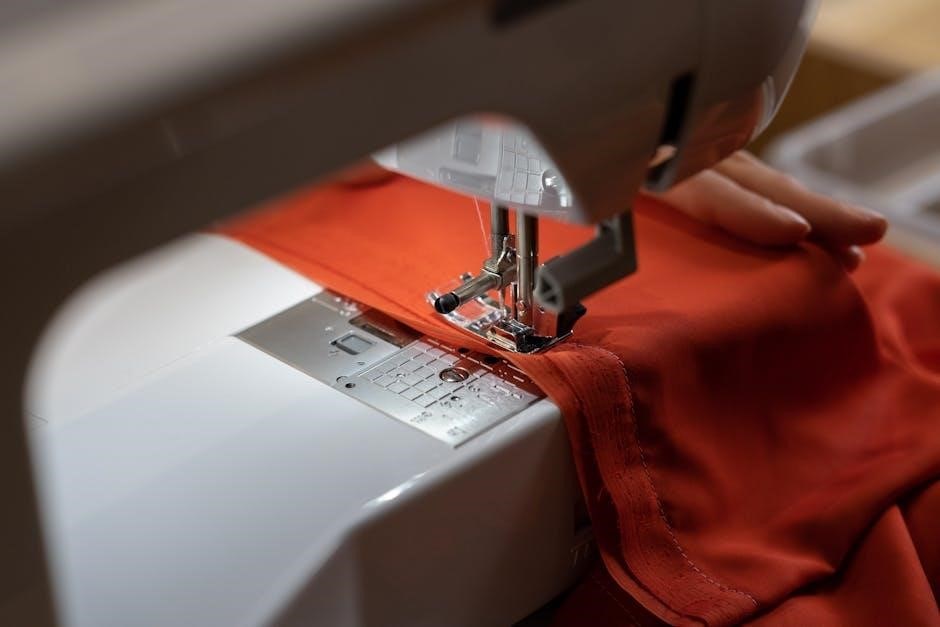
Ensure the thread is securely seated in each guide, and that it passes smoothly without kinks․ The manual details how to properly thread the needle, emphasizing the importance of using the correct needle size for the fabric․ Proper threading, as demonstrated in the manual, is fundamental to achieving consistent and professional-looking stitches with your vintage machine․
Bobbin Winding and Insertion
The Kenmore 158’s bobbin system requires precise winding and insertion․ The manual provides detailed instructions on winding the bobbin, utilizing the bobbin winder mechanism located on the machine․ Ensure the thread is evenly distributed on the bobbin to prevent uneven stitching․ Different Kenmore 158 models may have slight variations in their bobbin winding procedures, so consult your specific manual․
Insertion is equally crucial․ The manual illustrates the correct orientation for inserting the bobbin into the bobbin case․ Proper seating is vital for consistent tension․ Some models feature a drop-in bobbin, while others utilize a front-loading system․ Refer to your manual’s diagrams to avoid incorrect insertion, which can lead to tangled threads and machine malfunction․
Stitch Selection and Adjustment
The Kenmore 158 offers a variety of stitch options, detailed within its manual․ Stitch selection is typically managed via dials or buttons, allowing users to choose from straight stitch, zigzag, and potentially decorative patterns depending on the model․ The manual clearly illustrates each stitch and its intended use․
Adjustment of stitch length and width is also covered․ These controls, often located near the stitch selection mechanism, enable customization for different fabrics and sewing projects․ Experimenting with these settings, guided by the manual, is key to achieving desired results․ Understanding how to adjust tension is crucial for balanced stitches, and the manual provides guidance on this process, ensuring optimal sewing performance․
Basic Sewing Techniques with the Kenmore 158
The Kenmore 158 manual guides users through fundamental sewing techniques․ Mastering these basics unlocks the machine’s full potential․ Starting with straight stitching, the manual details proper fabric feeding and seam allowance control․ Zigzag stitching, essential for finishing raw edges and creating stretch seams, is also explained․
The manual likely includes instructions on techniques like backstitching, securing seams at the beginning and end, and pivoting for corners․ Understanding these techniques ensures durable and professional-looking results․ Furthermore, the manual may offer guidance on sewing different fabric types, adjusting settings for optimal performance․ Practicing these techniques, referencing the manual, builds confidence and skill․
Troubleshooting Common Issues
The Kenmore 158 manual addresses frequent problems encountered by users․ Thread bunching, a common issue, is often caused by improper threading or incorrect tension settings, detailed in the manual․ Skipped stitches can stem from a dull or incorrectly inserted needle, or incorrect timing․ The manual provides guidance on needle replacement and tension adjustment․
Bobbin issues, like thread nests or uneven winding, are also covered․ The manual likely illustrates proper bobbin winding and insertion techniques․ If the machine fails to power on, the manual may suggest checking the power cord and foot pedal connections․ Utilizing the manual’s troubleshooting section saves time and potential repair costs, empowering users to resolve issues independently․
Cleaning and Maintenance
Regular cleaning and maintenance, as outlined in the Kenmore 158 manual, are crucial for longevity․ Dust and lint accumulation can impede performance, so the manual likely recommends brushing out the bobbin area and feed dogs after each use․ Periodically, a more thorough cleaning is needed, involving removal of the needle plate and surrounding components․
The manual details proper lubrication points, ensuring smooth operation․ Using sewing machine oil, apply a small amount to designated areas, avoiding over-oiling․ Consistent maintenance prevents rust and corrosion, preserving the machine’s functionality․ Following the manual’s guidance extends the Kenmore 158’s lifespan and maintains optimal sewing quality, avoiding costly repairs․
Needle Replacement Procedures
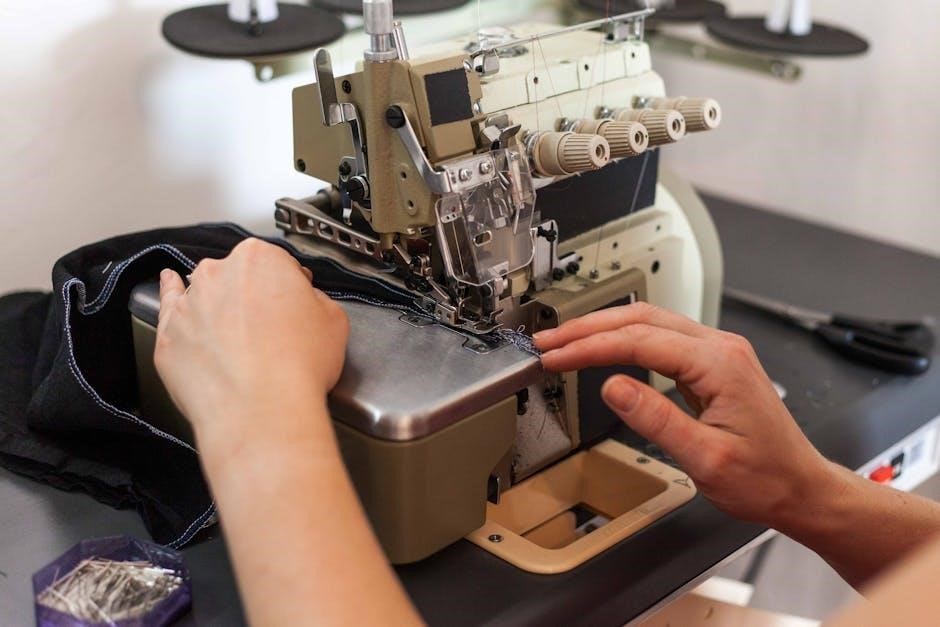
The Kenmore 158 sewing machine manual provides detailed instructions for safe and correct needle replacement․ Always power off the machine and disconnect it from the power source before beginning․ The manual will specify the correct needle type and size for various fabrics, ensuring optimal stitch quality․
Loosen the needle clamp screw and carefully remove the old needle․ Insert the new needle with the flat side facing the back of the machine, and tighten the screw securely․ Incorrect needle insertion can cause damage or breakage․ Refer to the manual’s diagrams for visual guidance․ Regular needle replacement, as recommended, maintains consistent sewing performance and prevents fabric damage․
Belt Replacement Instructions

The Sears Kenmore 158 sewing machine manual outlines a step-by-step process for belt replacement․ Begin by disconnecting the machine from the power source for safety․ Accessing the belt typically involves removing the motor cover or other access panels, as detailed in the manual’s diagrams․
Carefully remove the old belt, noting its routing around the motor pulley and handwheel․ Install the new belt, ensuring it’s properly seated in the grooves․ The manual emphasizes the importance of correct belt tension – not too tight, nor too loose – for optimal performance․ Reassemble the machine, and test the operation to confirm the belt is functioning correctly․
Oil Points and Lubrication
The Sears Kenmore 158 sewing machine manual stresses regular lubrication for smooth operation and longevity․ Key oiling points include the motor bearings, bobbin winder mechanism, and all moving parts of the sewing head․ The manual provides detailed diagrams illustrating these locations․
Use a high-quality sewing machine oil, applying it sparingly to avoid buildup and staining․ Avoid over-oiling, as excess oil can attract dust and lint․ After oiling, operate the machine briefly to distribute the lubricant․ Consistent lubrication, as outlined in the manual, prevents wear and tear, ensuring the Kenmore 158 continues to perform reliably for years to come․
Kenmore 158 Model Variations and Manual Differences
The Kenmore 158 series encompasses numerous model variations (e․g․, 158․19142, 158․1355080, 158․17851), each potentially exhibiting slight mechanical differences․ Consequently, manuals aren’t always perfectly interchangeable․ While many share a core structure, specific instructions – particularly regarding bobbin winding or stitch selection – can vary․
Users on platforms like the Victorian Sweatshop forum and Reddit have noted discrepancies, especially concerning bobbin case mechanisms between models like 158․19400 and 158․17851․ When sourcing a manual, prioritize one specifically for your model number․ If an exact match is unavailable, cross-reference instructions carefully, paying close attention to diagrams, to avoid incorrect procedures and potential damage․
Converting Between Manuals (Similar Models)
When a precise manual for your Kenmore 158 model is elusive, cautiously converting information from manuals of closely related models can be helpful․ However, proceed with diligence․ Begin by comparing the machine’s physical features – stitch plate designs, control knob layouts, and bobbin case types – to illustrations in available manuals․
Focus on core procedures like threading and basic stitch selection, as these are often consistent․ Pay close attention to warnings about potential differences, as highlighted by users on Reddit, particularly regarding bobbin mechanisms․ If a step seems unclear or contradicts your machine’s setup, prioritize caution and seek clarification from online sewing communities before proceeding․
PDF Manual Viewing and Printing
Downloaded Kenmore 158 manuals are typically in PDF format, requiring Adobe Acrobat Reader or a compatible PDF viewer for access․ Ensure you have the latest version installed for optimal viewing and functionality․ Most PDFs are searchable (using Ctrl+F) allowing quick location of specific information, as noted by Millard Sewing Center․
To print, utilize the “Print” function within Acrobat Reader․ Carefully review print settings to avoid unwanted pages or scaling issues․ Consider printing only necessary sections to conserve paper and ink․ Digital copies offer the convenience of zooming for detailed examination and portability, eliminating the need for bulky paper manuals․ Remember to save the PDF to a secure location for future reference․
Resources for Additional Support
Beyond manuals, several avenues offer support for Kenmore 158 owners․ Online forums like Victorian Sweatshop are invaluable, with users actively seeking and sharing manuals – a user recently requested a PDF for model 158․1355080․ Reddit’s r/vintagesewing also provides a community for questions and assistance․
For physical repairs, contacting sewing machine repair services is recommended․ These professionals possess specialized knowledge and tools for diagnosing and fixing issues․ eBay also lists digital copies of manuals, offering a convenient purchase option․ Remember to verify the manual’s compatibility with your specific Kenmore 158 model before relying on its instructions․
Contacting Sewing Machine Repair Services
When troubleshooting proves difficult, professional assistance is crucial․ Locating a qualified sewing machine repair service ensures accurate diagnosis and repair of your Kenmore 158․ These technicians possess specialized knowledge of vintage machines and can address complex issues beyond the scope of a manual․
Consider searching online for “sewing machine repair near me” to find local options․ Before committing, inquire about their experience with Kenmore and older models specifically․ Be prepared to describe the problem in detail and potentially provide the machine’s model number (e․g․, 158․19142)․ While manuals offer guidance, a skilled technician can restore your Kenmore 158 to optimal working condition, preserving its functionality for years to come․
Frequently Asked Questions (FAQ)
Many users encounter similar questions when working with the Kenmore 158․ A common inquiry revolves around locating the correct manual for a specific model number, like the 158․1355080 or 158․17851․ Is there a difference between manuals for various 158 models? Yes, particularly regarding bobbin winding methods, as noted in Reddit discussions․
Another frequent question concerns PDF manual accessibility․ Sears Parts Direct offers free downloads, while Kenmoresewingmanuals․com provides both download and print options․ Can I convert between manuals if mine is unavailable? Sometimes, similar models share compatible manuals, but careful comparison is essential․ Where can I find help if the manual is unreadable? Online forums like Victorian Sweatshop offer community support and potential manual sharing․

Leave a Reply
You must be logged in to post a comment.