manual pelvic physical therapy
Manual Pelvic Physical Therapy: A Comprehensive Guide
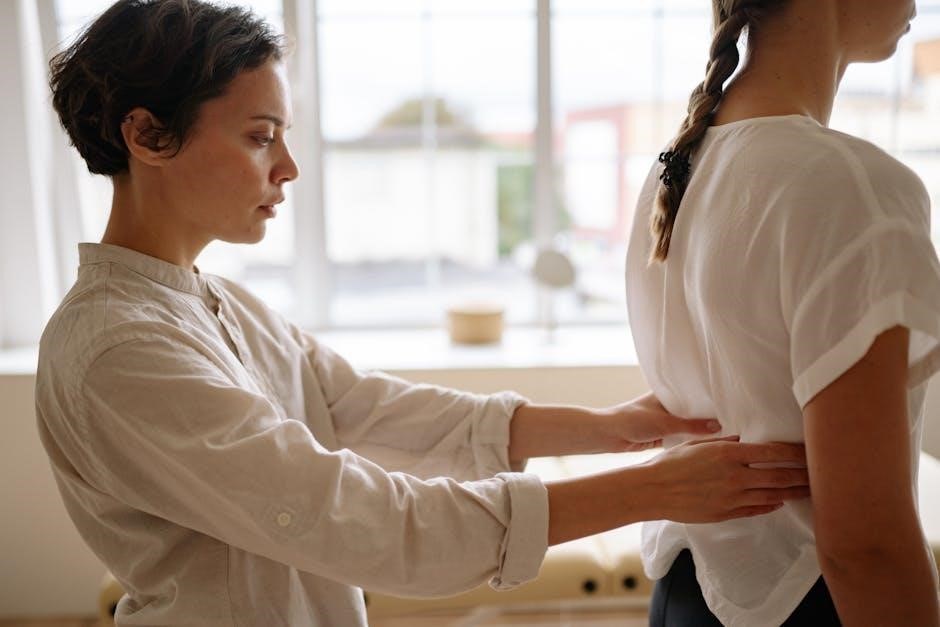
Manual pelvic physical therapy is a specialized approach addressing pelvic floor dysfunction, utilizing hands-on techniques and exercise to restore optimal function.
What is Manual Pelvic Physical Therapy?
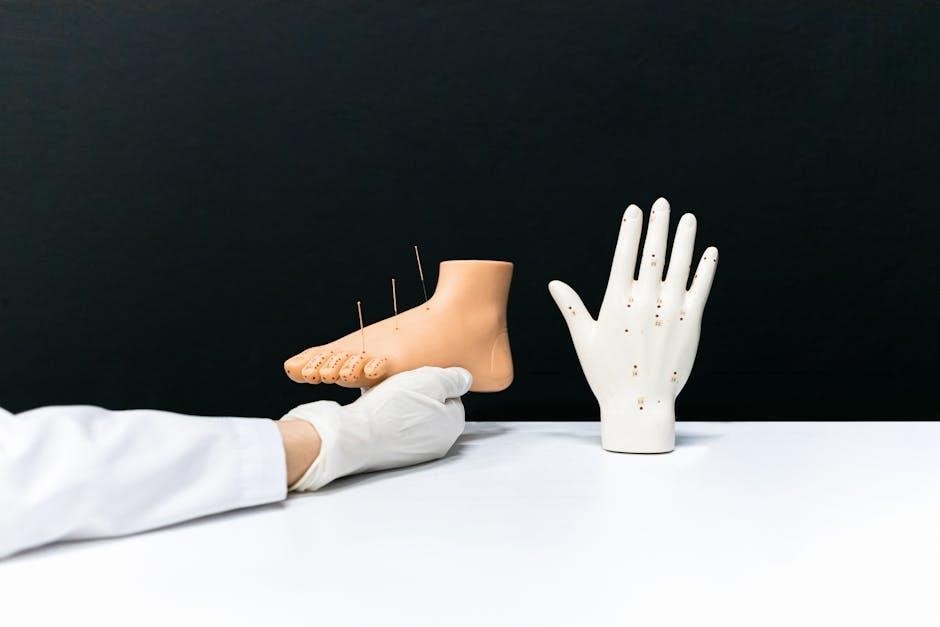
Manual pelvic physical therapy represents a specialized area within physical therapy, focusing on the assessment and treatment of pelvic floor dysfunction. Unlike general physical therapy, it addresses issues related to the muscles supporting the pelvic organs – bladder, uterus, and rectum. This holistic approach combines internal and external manual techniques with targeted exercise programs, like pelvic floor muscle training (PFMT).
It’s a conservative treatment option gaining recognition, particularly for conditions like urinary and fecal incontinence, pelvic organ prolapse, and chronic pelvic pain. Modern techniques, including high-intensity focused electromagnetic therapy (HIFEM), are also being integrated. The goal is to restore muscle strength, coordination, and function, improving overall pelvic health and quality of life for both men and women.
The Pelvic Floor: Anatomy and Function
The pelvic floor is a group of muscles and ligaments forming a sling-like structure at the base of the pelvis. These muscles support the bladder, uterus (in women), and rectum, contributing to urinary and fecal continence, sexual function, and core stability. It’s not a single muscle, but a complex network requiring coordinated contraction and relaxation.
Proper pelvic floor function is crucial for maintaining pelvic organ support and preventing dysfunction. Weakened or dysfunctional muscles can lead to issues like pelvic organ prolapse or incontinence. Strengthening these muscles through exercises, such as Kegels and PFMT, is a cornerstone of treatment. Understanding its anatomy is vital for effective manual therapy interventions.
Common Conditions Treated with Manual Pelvic Physical Therapy
Manual pelvic physical therapy effectively addresses a wide range of conditions. Urinary incontinence, both stress and urge-related, is frequently treated by restoring pelvic floor muscle strength and coordination. Similarly, fecal incontinence benefits from improved anal sphincter control and rectal support.
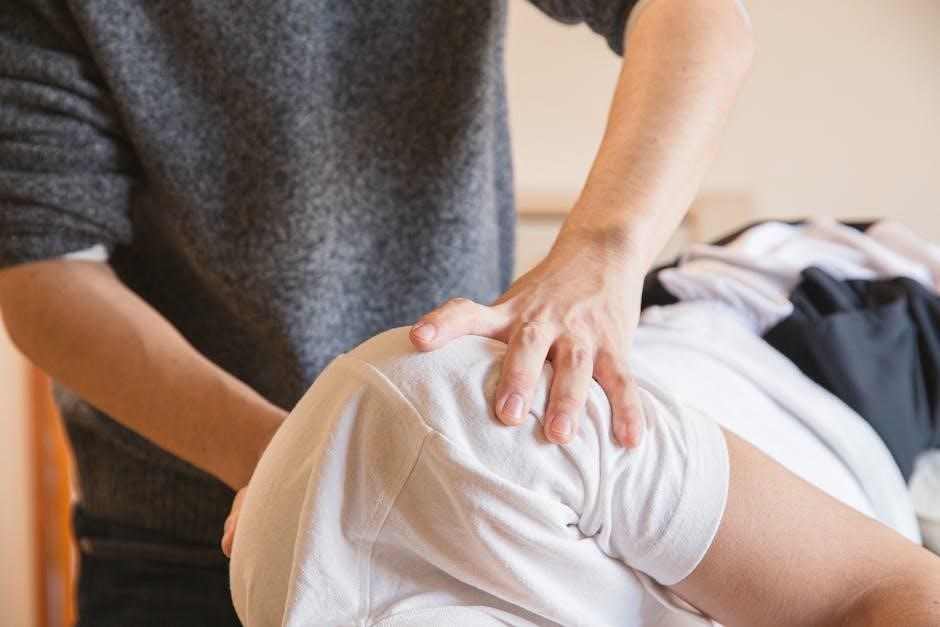
Pelvic organ prolapse, where organs descend from their normal position, can be managed with supportive techniques. Chronic pelvic pain, often stemming from muscle tension or nerve sensitivity, responds well to manual release and pain modulation; These conditions significantly impact quality of life, and therapy offers conservative solutions, often avoiding or delaying surgery.
Urinary Incontinence
Urinary incontinence, a common issue, is frequently and successfully treated with manual pelvic physical therapy. Therapy focuses on strengthening the pelvic floor muscles, improving bladder control, and addressing any contributing factors like muscle imbalances or nerve dysfunction. Techniques include targeted exercises, biofeedback to enhance muscle awareness, and manual therapy to release tension in surrounding tissues.
This approach aims to reduce leakage during activities (stress incontinence) or manage sudden urges (urge incontinence). Pelvic floor muscle training, a core component, is often personalized and combined with behavioral strategies for optimal results, offering a conservative alternative to medication or surgery.
Fecal Incontinence
Fecal incontinence, often a distressing condition, can be effectively addressed through manual pelvic physical therapy. Treatment centers on strengthening the anal sphincter and pelvic floor muscles, improving rectal sensation, and coordinating muscle function for better bowel control. Manual techniques help release tension in the pelvic floor and surrounding tissues, enhancing muscle recruitment.
Biofeedback plays a crucial role, providing real-time feedback to help patients consciously contract and relax the correct muscles. Lifestyle modifications and dietary adjustments are often integrated into the treatment plan. This conservative approach can significantly reduce episodes of fecal leakage and improve quality of life.
Pelvic Organ Prolapse
Pelvic organ prolapse occurs when pelvic organs – bladder, uterus, or rectum – descend from their normal position. Manual pelvic physical therapy offers a non-surgical approach to manage symptoms and improve pelvic support. Treatment focuses on strengthening the pelvic floor muscles, providing optimal support to these organs and improving neuromuscular coordination.
Internal and external manual techniques address muscle imbalances and tissue restrictions. Specific exercises, guided by a trained therapist, enhance pelvic floor function. Biofeedback can assist patients in correctly engaging these muscles. The goal is to reduce prolapse symptoms like pressure or bulging, improving overall pelvic stability and quality of life.
Chronic Pelvic Pain
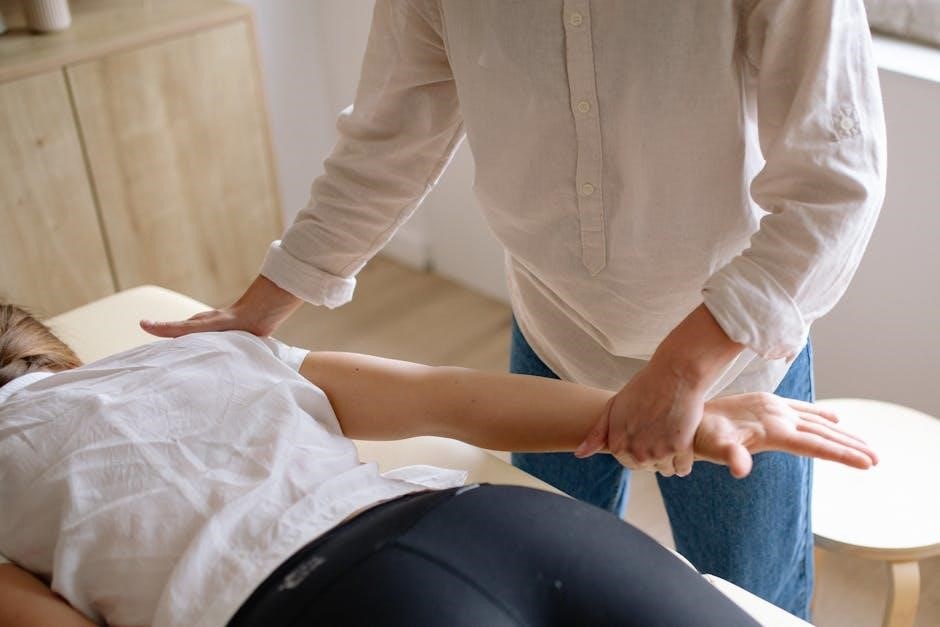
Chronic pelvic pain, a debilitating condition, often benefits from manual pelvic physical therapy. This approach addresses musculoskeletal dysfunction contributing to pain, focusing on restoring proper biomechanics and reducing tissue tension. Therapists employ gentle manual techniques – both internal and external – to release restrictions in the pelvic floor, hips, and lower back.
Treatment aims to normalize muscle tone, improve blood flow, and decrease nerve sensitivity. Pelvic floor muscle training, integrated with manual therapy, helps regain control and coordination. Biofeedback can aid in identifying and correcting muscle imbalances. This holistic approach aims to reduce pain, improve function, and enhance the patient’s quality of life.
Benefits of Manual Pelvic Physical Therapy
Manual pelvic physical therapy offers a wide range of benefits, improving quality of life for individuals experiencing pelvic floor dysfunction. Patients often report reduced pain, improved bladder and bowel control, and enhanced sexual function. The therapy addresses underlying musculoskeletal imbalances, restoring optimal pelvic floor muscle function and coordination.
Beyond symptom relief, it promotes better posture, core stability, and overall movement patterns. High-intensity focused electromagnetic therapy (HIFEM) offers promising results for muscle strengthening. It can also help prevent future issues, particularly beneficial for postpartum pelvic floor rehabilitation. Ultimately, it empowers patients to regain control and confidence.
How Does Manual Pelvic Physical Therapy Differ from Kegels?
While Kegels – pelvic floor muscle training (PFMT) – are often recommended, they aren’t a complete solution. They focus solely on muscle contraction, potentially tightening already overactive muscles or failing to address underlying issues. Manual pelvic physical therapy takes a holistic approach, assessing the entire pelvic region and addressing muscle imbalances, joint restrictions, and nerve dysfunction.
A therapist uses hands-on techniques to release tension, restore proper muscle length, and improve coordination. This is crucial because dysfunction often stems from more than just weak muscles. Integrating biofeedback can enhance PFMT effectiveness, but manual therapy addresses the root cause, offering more comprehensive and lasting results.
The Role of Internal Manual Therapy
Internal manual therapy, a core component of treatment, involves skilled hands-on techniques performed externally and internally (vaginally or rectally) to address pelvic floor muscle dysfunction. This allows the therapist to directly assess and treat muscle tension, trigger points, and fascial restrictions within the pelvic floor. Perineal release techniques specifically target the muscles between the pubic bone and tailbone, relieving pain and improving function.
Vaginal/rectal manual therapy isn’t about simply “strengthening” – it’s about restoring proper muscle length, coordination, and relaxation. It’s performed with informed consent and utmost sensitivity, addressing issues Kegels alone cannot resolve.
Perineal Release Techniques
Perineal release techniques are external and internal manual therapy methods focused on the muscles and tissues surrounding the perineum – the area between the pubic bone and coccyx. These techniques aim to alleviate tension and restore optimal function to the levator ani, bulbospongiosus, ischiocavernosus, and superficial transverse perineal muscles. Skilled practitioners use gentle, sustained pressure to release myofascial restrictions and trigger points contributing to pelvic pain, urinary/fecal dysfunction, and sexual discomfort.
Effective release can improve blood flow, nerve function, and muscle coordination, ultimately enhancing pelvic floor health and overall well-being. These techniques are often combined with other manual therapies and pelvic floor muscle training.
Vaginal/Rectal Manual Therapy
Vaginal and rectal manual therapy are specialized internal techniques performed by trained pelvic physical therapists to address deep pelvic floor muscle dysfunction. These methods involve gentle, skilled palpation and mobilization of muscles within the vagina or rectum to release tension, improve muscle activation, and restore proper biomechanics. They target the levator ani, coccygeus, and other surrounding structures.
Internal therapy is crucial for directly addressing muscle imbalances contributing to urinary/fecal incontinence, pelvic pain, and sexual dysfunction. Patient comfort and consent are paramount, with thorough explanation and communication throughout the process. These techniques are often combined with external manual therapy and PFMT.
External Manual Techniques
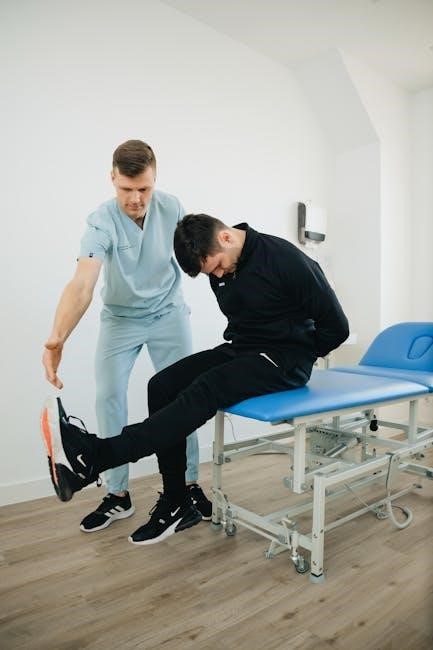
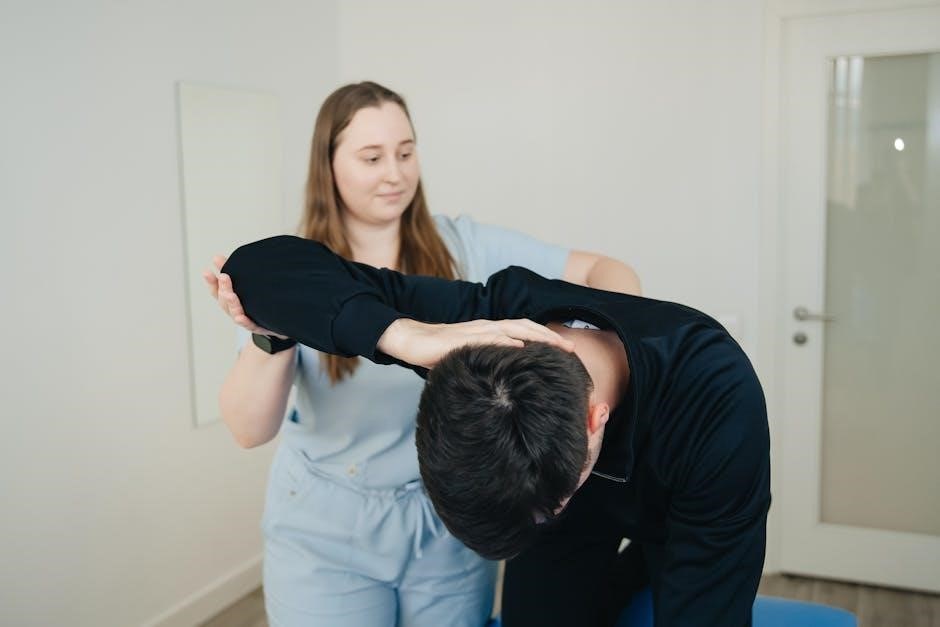
External manual techniques complement internal therapy, addressing broader musculoskeletal contributions to pelvic floor dysfunction. These techniques focus on areas influencing the pelvis, such as the abdomen, hips, and lower back. Therapists utilize soft tissue mobilization to release tension in abdominal muscles, improving pelvic stability and reducing pressure on the pelvic floor.
Hip and lumbar mobilization restore optimal joint mechanics, enhancing movement patterns and reducing compensatory strategies. These techniques aim to address restrictions impacting pelvic alignment and muscle function. Combining external and internal approaches provides a holistic treatment strategy, optimizing outcomes for patients experiencing pelvic floor issues.
Abdominal Massage
Abdominal massage is a key external technique in manual pelvic physical therapy, employed to address muscle tension and improve visceral mobility. Gentle, yet specific, massage techniques target the abdominal wall, aiming to release restrictions that can contribute to pelvic floor dysfunction. This can alleviate pressure on the pelvic organs, improving bladder and bowel function.
The technique also aids in reducing abdominal scarring post-surgery or childbirth, enhancing tissue pliability. By promoting optimal abdominal muscle function, massage supports pelvic stability and reduces strain on the pelvic floor muscles. It’s often incorporated to manage conditions like constipation and bloating, further contributing to overall pelvic health.
Hip and Lumbar Mobilization
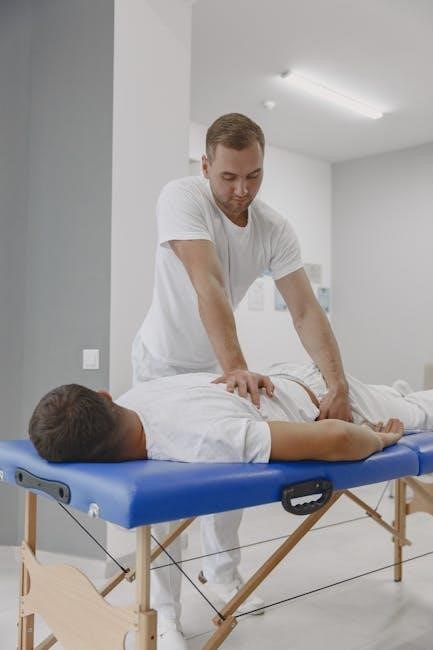
Hip and lumbar mobilization are crucial external components of manual pelvic physical therapy, recognizing the interconnectedness of the entire kinetic chain. Restrictions in the hips or lower back significantly impact pelvic floor function, creating compensatory patterns. Skilled therapists utilize hands-on techniques to restore proper joint mechanics and muscle length in these areas.
Mobilization improves range of motion, reduces pain, and optimizes biomechanics, allowing the pelvic floor to function more efficiently. Addressing these upstream impairments is vital for long-term success. Techniques may include joint mobilization, soft tissue release, and muscle energy techniques, tailored to the individual’s specific needs and presentation.
Pelvic Floor Muscle Training (PFMT) Integration
Pelvic Floor Muscle Training (PFMT), often involving Kegel exercises, is frequently a cornerstone of manual pelvic physical therapy, but it’s rarely a standalone solution. Effective PFMT requires proper assessment and individualized instruction. Many individuals perform Kegels incorrectly, potentially worsening symptoms. A skilled therapist ensures correct technique, focusing on proper muscle activation and coordination.
Integration with manual therapy is key; releasing tension in surrounding tissues allows for optimal PFMT effectiveness. PFMT is tailored to address specific deficits – strengthening, endurance, or relaxation – and is progressively advanced. Biofeedback can enhance awareness and control, maximizing training outcomes.
Biofeedback in Pelvic Physical Therapy
Biofeedback is a valuable tool within manual pelvic physical therapy, providing real-time visual or auditory feedback on pelvic floor muscle activity. This empowers patients to understand and consciously control their muscle contractions, improving the effectiveness of pelvic floor muscle training (PFMT). Sensors detect muscle tension, translating it into a display that allows patients to see when they are correctly activating – and relaxing – the pelvic floor.
It’s particularly helpful for those struggling to identify or isolate the correct muscles. Biofeedback addresses urinary incontinence and fecal incontinence, enhancing awareness and coordination. Therapists use it to refine PFMT, ensuring optimal engagement and preventing compensatory strategies.
High-Intensity Focused Electromagnetic Therapy (HIFEM)
High-Intensity Focused Electromagnetic (HIFEM) therapy represents a modern, innovative approach within pelvic floor rehabilitation. This non-invasive technology delivers focused electromagnetic energy to stimulate supramaximal contractions of pelvic floor muscles. Unlike voluntary contractions, HIFEM induces powerful muscle activity, strengthening and re-educating the pelvic floor beyond what’s typically achievable with exercises alone.
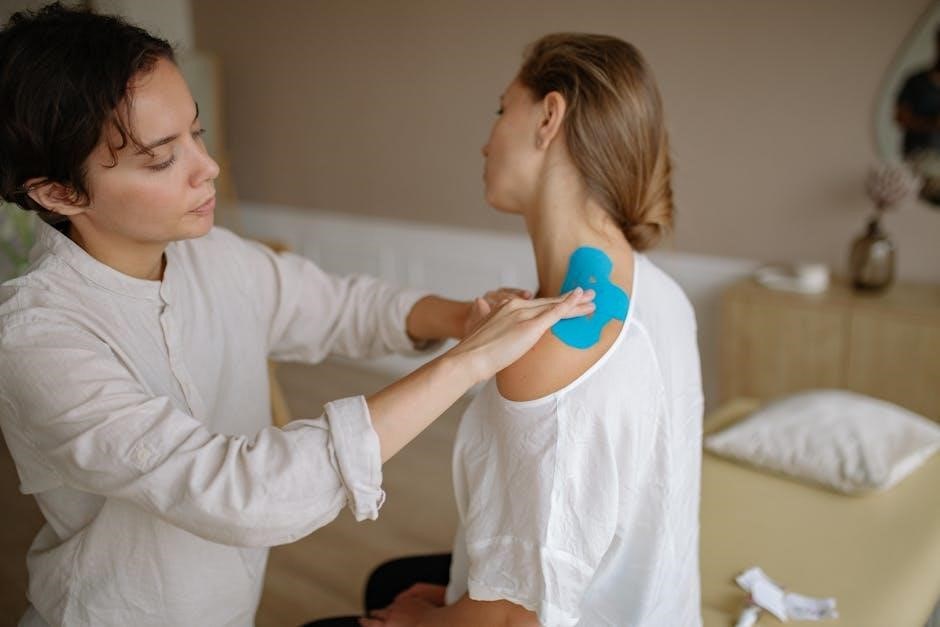
Research suggests HIFEM can improve stress urinary incontinence and enhance pelvic floor function. It’s often used as an adjunct to manual therapy and PFMT, offering a complementary treatment modality. The deep stimulation promotes muscle hypertrophy and improved neuromuscular control, potentially leading to long-lasting benefits.
Postpartum Pelvic Floor Rehabilitation
Postpartum pelvic floor rehabilitation is crucial, as pregnancy and childbirth significantly impact pelvic floor muscle function. Early intervention focuses on gentle restoration of muscle tone and addressing any immediate discomfort. Early postpartum care often involves education on proper body mechanics and initiating gentle exercises, avoiding high-impact activities initially.
A common concern is diastasis recti, separation of abdominal muscles, which physical therapy can effectively manage through targeted exercises. Rehabilitation aims to improve pelvic floor strength, bladder and bowel control, and address pelvic pain. A comprehensive program tailored to individual needs is essential for optimal recovery and long-term pelvic health.
Early Postpartum Care
Early postpartum care with manual pelvic physical therapy prioritizes gentle restoration and education. Initial sessions focus on assessing muscle function and addressing immediate discomfort, often involving breathing techniques and gentle pelvic floor contractions. Emphasis is placed on proper body mechanics for lifting and caring for a newborn, minimizing strain on the pelvic floor.
The goal isn’t aggressive strengthening, but rather re-establishing neuromuscular connection and reducing pain. Therapists provide guidance on safe exercise progression, avoiding activities that exacerbate symptoms. Addressing pain related to episiotomy or tearing is also key, utilizing gentle manual techniques to promote healing and restore function.
Diastasis Recti Management
Diastasis recti, the separation of abdominal muscles during pregnancy, is commonly addressed with manual pelvic physical therapy. Treatment focuses on restoring core stability and function, rather than simply “closing the gap.” Therapists employ techniques to re-educate the deep core muscles – transverse abdominis, multifidus, and pelvic floor – to work synergistically.
Manual therapy may include gentle soft tissue mobilization to release tension and improve muscle activation. Specific exercises are prescribed to progressively challenge the core, avoiding traditional crunches that can worsen the condition. Education on proper body mechanics and postural alignment is crucial, alongside modifications to daily activities to reduce strain.
Pelvic Physical Therapy for Men
Pelvic physical therapy isn’t exclusively for women; men also benefit significantly from this specialized care. It effectively addresses conditions like post-prostatectomy recovery, aiding in regaining bladder control and sexual function after surgery. Therapists focus on restoring pelvic floor muscle strength and coordination, often utilizing biofeedback to enhance awareness and control.
Furthermore, pelvic PT can provide support for erectile dysfunction, addressing underlying muscle imbalances and improving blood flow. Treatment may involve manual therapy to release tension in the pelvic floor, hips, and lower back, alongside targeted exercises. Addressing these issues improves quality of life and overall well-being.
Prostatectomy Recovery
Pelvic floor physical therapy plays a crucial role in recovery following a prostatectomy, addressing common issues like urinary incontinence and erectile dysfunction. Surgery can weaken pelvic floor muscles, leading to leakage and difficulty achieving or maintaining an erection. A tailored program focuses on strengthening these muscles through specific exercises and manual techniques.
Manual therapy helps release scar tissue and tension around the surgical site, improving blood flow and nerve function. Biofeedback assists men in identifying and contracting the correct muscles. Consistent therapy improves bladder control, enhances sexual function, and restores confidence, significantly improving post-operative quality of life.
Erectile Dysfunction Support
Manual pelvic physical therapy offers a non-invasive approach to supporting men experiencing erectile dysfunction (ED), often addressing underlying pelvic floor muscle imbalances. Weak or dysfunctional pelvic floor muscles can contribute to ED by hindering blood flow necessary for achieving and sustaining an erection. Therapy focuses on strengthening these muscles through targeted exercises and specialized manual techniques.
External and internal manual therapy can release tension in the pelvic region, improving circulation and nerve function. Biofeedback helps patients gain conscious control over their pelvic floor muscles. This holistic approach, combined with lifestyle modifications, can improve erectile function and overall sexual health, offering a valuable alternative or adjunct to other treatments.
Assessment Process in Manual Pelvic Physical Therapy
A thorough assessment is crucial for effective manual pelvic physical therapy, beginning with a detailed patient history. This includes discussing medical history, symptoms, functional limitations, and goals. The physical therapist will inquire about bowel and bladder habits, sexual function, and any prior treatments.
The physical examination involves external observation, palpation of pelvic muscles, and assessment of posture and movement patterns. Internal examination, with informed consent, may be performed to evaluate muscle strength, tone, and coordination. This comprehensive evaluation guides the development of a personalized treatment plan addressing specific needs and contributing factors.
Patient History
A detailed patient history forms the foundation of effective pelvic physical therapy. The therapist will explore your medical background, including surgeries, pregnancies, and existing conditions. Expect questions about your current symptoms – pain, incontinence, or pelvic organ prolapse – their onset, and what exacerbates or alleviates them.
Crucially, the history delves into bowel and bladder function, sexual activity, and any prior treatments attempted. Understanding your functional limitations – activities you avoid or find difficult – is vital. Open communication about your goals and concerns ensures a collaborative approach to care, tailoring treatment to your individual needs and expectations.
Physical Examination
The physical examination complements the patient history, providing objective data. It begins with a general postural assessment and observation of movement patterns. Palpation – gentle touch – helps assess muscle tension and identify trigger points in the pelvic region, abdomen, and lower back.
Neurological screening checks reflexes and sensation. A crucial component is often an external and, with informed consent, internal examination. This allows the therapist to evaluate pelvic floor muscle strength, coordination, and tone. Assessing hip and lumbar mobility is also key, as these areas significantly influence pelvic function. Findings guide personalized treatment planning.
Finding a Qualified Pelvic Physical Therapist
Locating a skilled pelvic physical therapist requires careful consideration. Seek therapists with specialized post-graduate training and certification in pelvic health, such as those offered by the American Physical Therapy Association (APTA). Verify their credentials and experience treating conditions similar to yours.
Don’t hesitate to ask about their approach to treatment and their comfort level with internal techniques, if applicable. Online directories, physician referrals, and word-of-mouth recommendations are valuable resources. Prioritize a therapist who fosters a comfortable and trusting environment, as open communication is vital for successful outcomes.
What to Expect During Your First Appointment
Your initial appointment will begin with a thorough discussion of your medical history, symptoms, and goals. Expect detailed questions about your condition, lifestyle, and any previous treatments. A physical examination will follow, potentially including an external assessment of posture, muscle tone, and movement patterns.
Depending on your condition and comfort level, a gentle internal examination may be offered to assess pelvic floor muscle function. This is always optional and performed with your explicit consent. The therapist will explain each step and ensure your comfort throughout the evaluation and treatment planning process.
The Importance of Home Exercise Programs
Consistent practice of a tailored home exercise program is crucial for maximizing the benefits of manual pelvic physical therapy. These exercises reinforce the techniques learned during sessions, promoting long-term improvements in pelvic floor muscle strength, coordination, and function.
Your therapist will design a program specific to your needs, potentially including pelvic floor contractions (Kegels), stretches, and functional movements; Adherence to the program empowers you to actively participate in your recovery and maintain positive outcomes. Regular completion significantly enhances treatment effectiveness and prevents symptom recurrence.
Manual Pelvic Physical Therapy vs. Medication/Surgery
Manual pelvic physical therapy often serves as a highly effective first-line treatment for pelvic floor dysfunction, offering a conservative alternative to medication or surgery. While medications can temporarily manage symptoms like incontinence or pain, they often don’t address the underlying muscular imbalances. Surgery carries inherent risks and a recovery period, potentially creating new issues.
Physical therapy focuses on restoring optimal pelvic floor function through targeted exercises and manual techniques, empowering patients with long-term solutions. It’s frequently used before considering more invasive interventions, and can even reduce the need for them, improving quality of life.
Research and Evidence Supporting Manual Pelvic Physical Therapy
Extensive research supports the efficacy of manual pelvic physical therapy for various conditions. Studies demonstrate its effectiveness in treating urinary and fecal incontinence, with pelvic floor muscle training (PFMT) consistently highlighted as a primary conservative treatment. Biofeedback, integrated with PFMT, further enhances outcomes by providing real-time muscle activity feedback.
Emerging evidence also showcases the promise of high-intensity focused electromagnetic therapy (HIFEM) for deep muscle strengthening. Research indicates positive results post-childbirth, aiding in pelvic organ support and diastasis recti management. Ongoing investigations continue to solidify the evidence base for this specialized therapy.
Potential Risks and Contraindications
Manual pelvic physical therapy is generally safe, but potential risks exist. Mild discomfort or soreness post-treatment is common and typically resolves quickly. More serious complications are rare, but can include increased pain or, with internal work, minor bleeding.
Contraindications – conditions where the therapy isn’t advised – include acute infections, active cancer in the pelvic region, uncontrolled bleeding disorders, and severe cardiovascular instability. A thorough assessment by a qualified therapist is crucial to identify any contraindications and tailor treatment accordingly, ensuring patient safety and optimal outcomes.
Long-Term Outcomes and Maintenance
Long-term success with manual pelvic physical therapy relies heavily on consistent adherence to a home exercise program. While initial symptom relief is common, maintaining those gains requires ongoing effort. Regular pelvic floor muscle engagement, alongside lifestyle modifications like proper lifting techniques and hydration, are vital.
Periodic check-ups with a pelvic physical therapist can help address any recurring issues or adapt the program as needed. Proactive management, focusing on preventative strategies, empowers individuals to maintain pelvic health and function throughout their lives, minimizing the risk of symptom return.
Innovative Techniques in Pelvic Floor Rehabilitation
Beyond traditional methods, pelvic floor rehabilitation is evolving with exciting new technologies. High-Intensity Focused Electromagnetic (HIFEM) therapy, for example, offers deep muscle stimulation, promoting strength and endurance beyond what’s achievable with exercises alone. This non-invasive approach shows promise for treating incontinence and improving pelvic floor function.
Biofeedback continues to refine, providing real-time visual or auditory cues to enhance muscle awareness and control. Research explores combining these technologies with manual therapy, creating personalized treatment plans for optimal outcomes. These advancements offer hope for individuals seeking comprehensive and effective pelvic health solutions.

Leave a Reply
You must be logged in to post a comment.